20 Cinematic Lighting Techniques to Make Your AI Video Look Like a Real Film
Lighting doesn't just help you 'see clearly' — it determines mood, depth, emotion, and the cinematic quality of every frame. These 20 techniques and prompt formulas will transform how you make AI video.
20 Cinematic Lighting Techniques to Make Your AI Video Look Like a Real Film
If you want your AI video to look like a real film, what you need to control isn't just character, setting, or camera movement — it's light.
Light doesn't just help you "see clearly." Light determines mood, depth, emotion, and how cinematic the entire frame feels.
📌 TL;DR: 3 Core Principles
- The foundational formula: Light type + Color temperature (Kelvin) + Angle/direction + Surface reflection → the more specific the prompt, the better the result.
- Light = Emotion: 3200K warm yellow → intimacy, nostalgia; 5000K cool → modern, distant, mysterious.
- The biggest secret: Don't just add light — learn to take light away. High-end cinema is powerful because it knows what to hide in shadow.
The Cinematic Lighting Prompt Formula
[Primary light type] + [Color temperature (Kelvin)] + [Angle/direction] + [Surface/reflection detail]
Concrete example:
Key light at 5000K from 45° camera left,
warm rim light at 3000K from behind,
specular reflection on skin moisture
In other words: don't just describe the scene. Tell the AI exactly how to light it.
Quick Guide to Kelvin Color Temperature
| Kelvin | Color | Emotional effect |
|---|---|---|
| ~3000K | Warm yellow, tungsten | Nostalgia, intimacy, classic cinematic |
| ~3200K | Amber-orange | Warmth, closeness, artificial golden hour |
| ~5000K | Cool white, daylight | Modern, distant, sharp, cold |
| Mixed | Warm + cool together | Extreme depth, tension, complexity |
20 Cinematic Lighting Techniques
Group 1: Foundational & Mixed Temperature
1) Hero Glow — Mixed warm/cool lighting
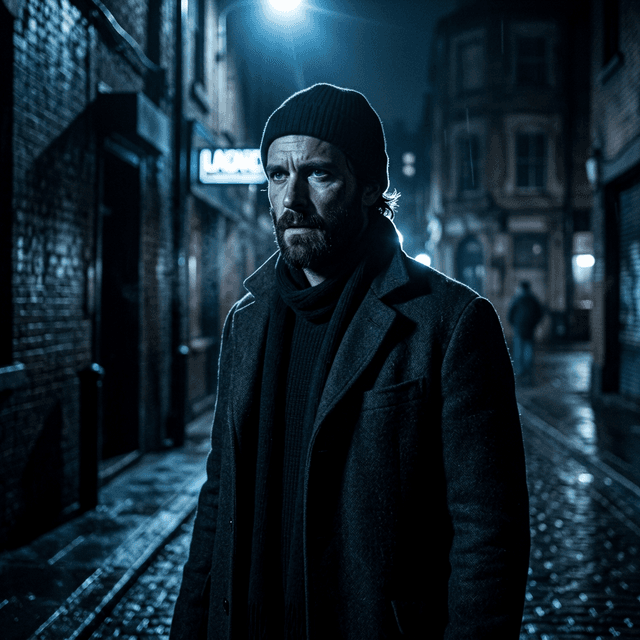
Key light at 5000K from 45° camera left + fill light +
powerful rim light at 3000K from behind
The quintessential "hero shot" — like a film poster or premium advertisement. Cool 5K key from 45° combined with warm 3K rim from behind separates the subject from the background.
Effect: Beautiful hot/cold color contrast; face reads as 3D; subject looks professional and powerful.
Use for: Trailers, hero shots, character posters.
2) Dramatic Cold Night
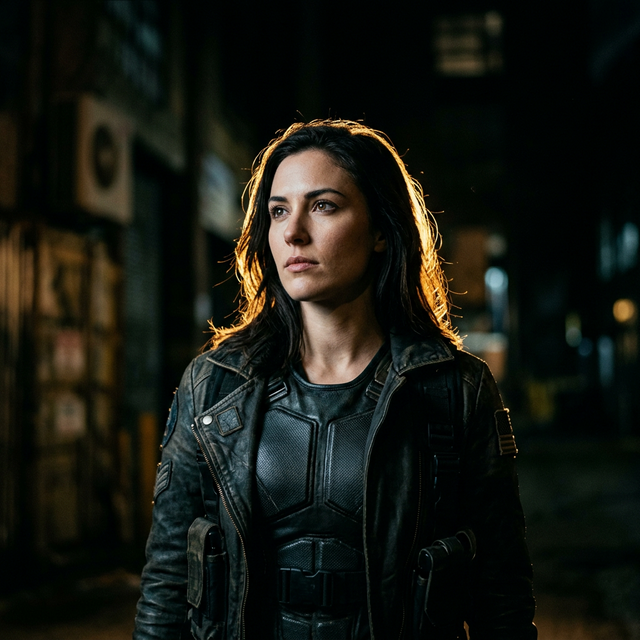
Key light positioned high creating moonlight blue +
icy white rim light from behind +
casting deep shadows on the opposite side
Simulates cold moonlight from above, combined with an icy white rim from behind. The face descends into deep shadow.
Effect: Forces AI to respect darkness rather than evenly lighting everything.
Use for: Night scenes, thriller, internal drama, isolated/dangerous characters.
Group 2: Face Shaping
3) Butterfly Lighting
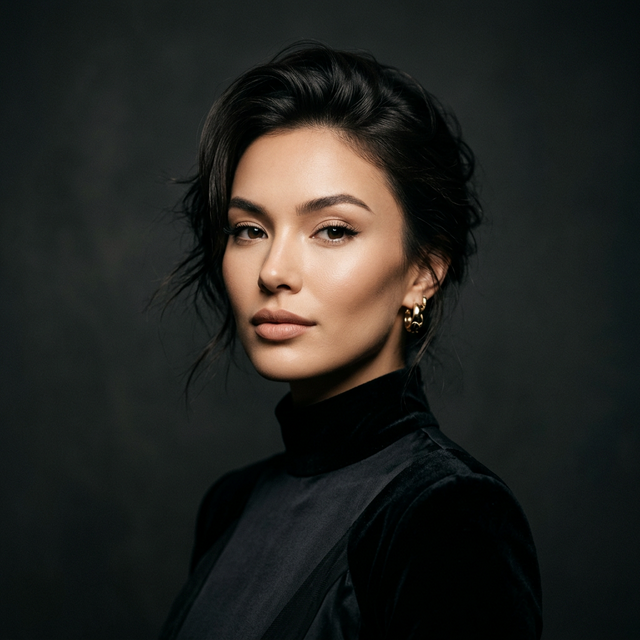
Butterfly lighting, single key light directly above and in front,
small shadow forming under nose
Light striking directly from above and slightly in front, creating a small butterfly-shaped shadow under the nose.
Effect: Face appears slimmer, cheekbones are emphasized, adds fashion and glamor.
Use for: Beauty shots, luxury portraits, symmetrical faces.
4) Rembrandt Lighting
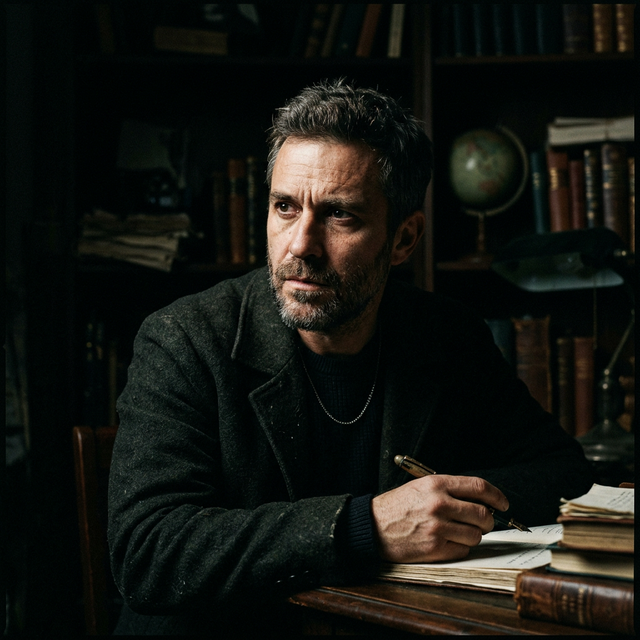
Rembrandt lighting, small triangle of light on shadow side of face,
dramatic single key light at 45°
The classic technique in cinema and painting — a small triangle of light appears on the darker side of the face.
Effect: Face appears intellectual, mysterious, and more cinematic than flat lighting.
Use for: Deep character portraits, psychological films, introspective characters.
Group 3: Atmosphere & Environment
5) Golden Hour
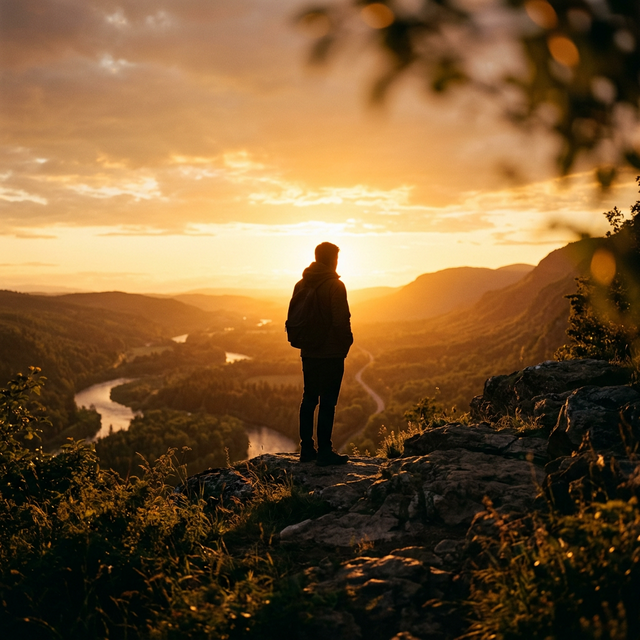
Golden hour lighting, warm soft sunlight at low angle,
rich amber tones, soft diffused shadows
Soft golden light as if the sun is about to set or has just risen.
Effect: Skin looks beautiful, image feels warmer, everything reads as more emotionally rich instantly.
Use for: Romantic scenes, memories, nature, lifestyle cinematic.
6) Blue Hour
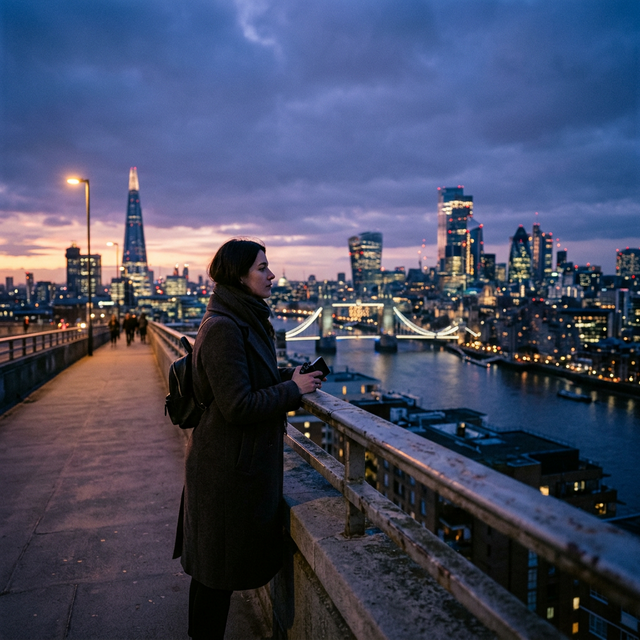
Blue hour lighting, twilight atmosphere, soft blue-purple ambient light,
transitional sky tones
Soft blue-purple light of the transitional moment between day and night.
Effect: Contemplative, refined, art-film quality.
Use for: Loneliness scenes, city at night, cinematic exteriors.
7) Volumetric Lighting / God Rays
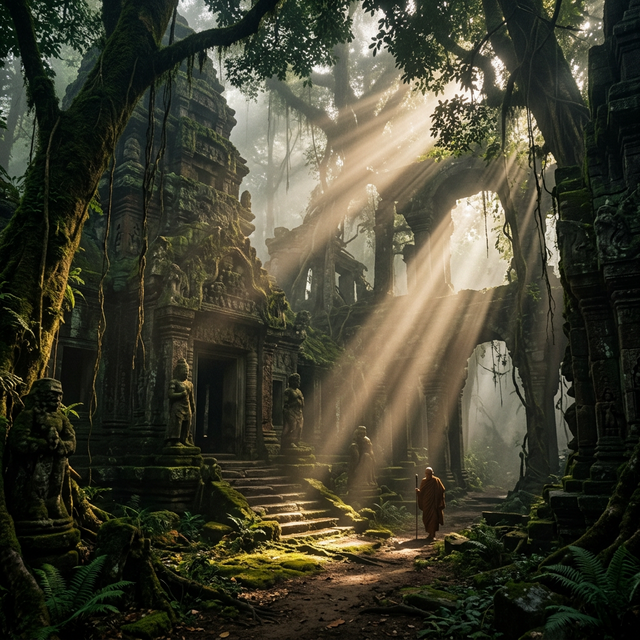
Volumetric lighting, God rays shining from above,
light scattering through dust and fog particles,
atmospheric depth
Light rays become visible in the air — cutting through dust, smoke, or mist.
⚠️ Important: You must include
dust/fog/light scattering— just saying "sun rays" usually gets ignored by AI.
Use for: Fantasy, sci-fi, temples, fairy tales, majestic moments.
8) Lunar Glow — Moonlight done right
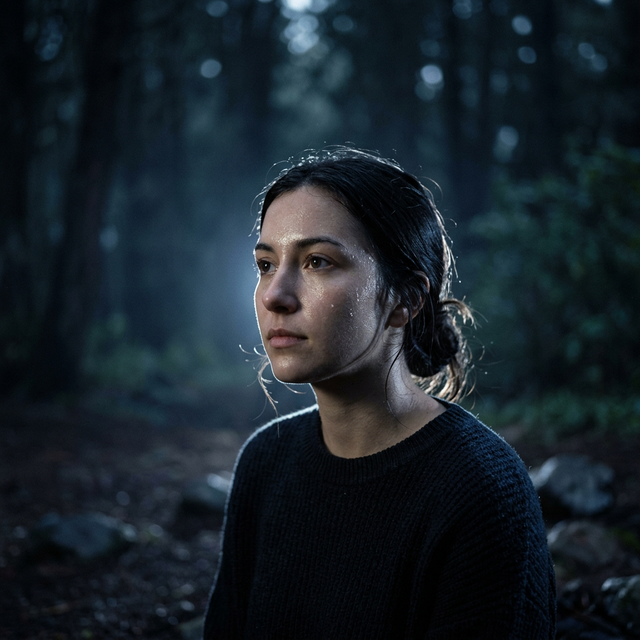
Moonlight, specular reflection on skin moisture,
cool silver-blue rim light,
wet surface highlights
❌ Common mistake: Prompting just "moonlight" → entire frame gets a flat blue wash with no life.
✅ Fix: Add specular reflection + skin moisture — AI creates moonlight reflections on skin surfaces, making night lighting appear real, moist, and cinematic instead of filtered.
Use for: Romantic night scenes, mystery, exterior night scenes with depth.
Group 4: Professional Studio & Signature Styles
9) Cyberpunk Bi-Color Neon Contrast
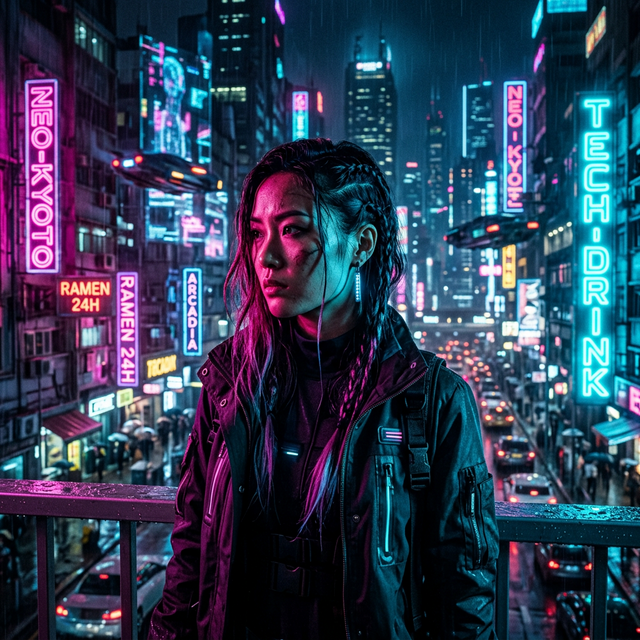
Cyberpunk lighting, bi-color neon contrast,
saturated magenta and cyan light sources simultaneously,
harsh shadows
Two saturated opposing colors — magenta and cyan — lighting simultaneously.
Effect: Distinct visual language, sharp, technological, rebellious.
Use for: Sci-fi, city at night, vehicles, neon aesthetic.
10) TV Glow — Electronic Ambience
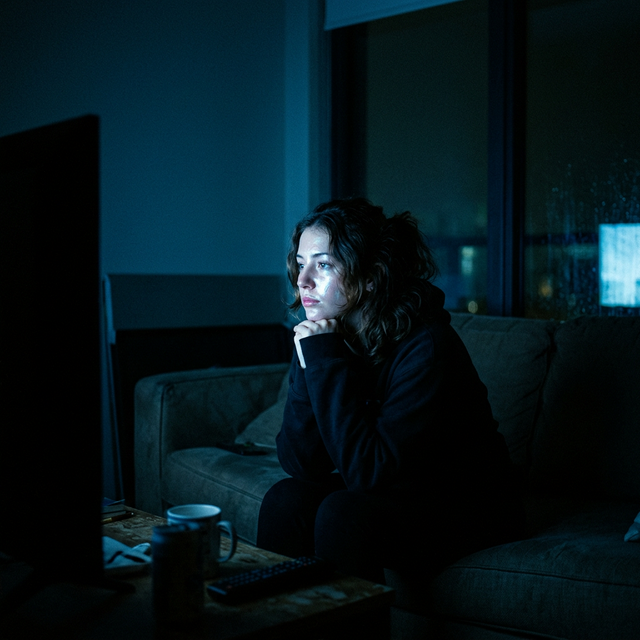
TV glow, electronic ambience,
cool flickering screen light reflecting on subject's face,
blue-tinted shadows
Cool flickering light from TV/screen reflecting on the face.
Effect: Feels real and cinematic without complex setup.
Use for: Hacker scenes, characters staying up late, surveillance, modern isolation.
11) High Key — Commercial Cleanliness
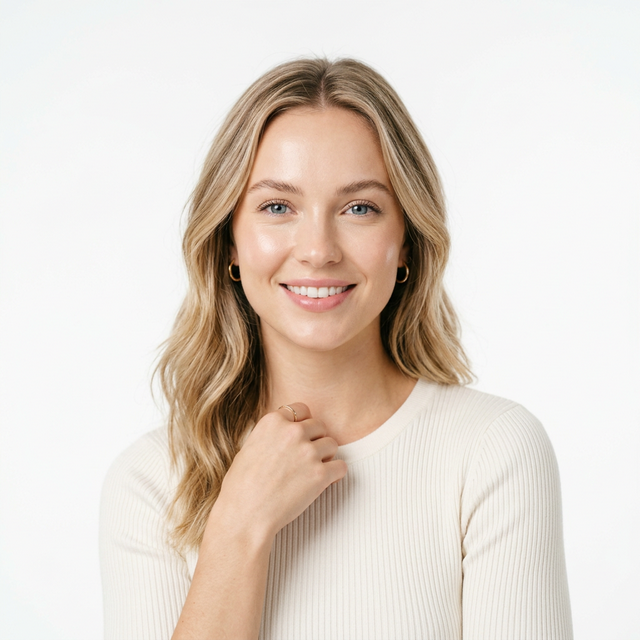
High key lighting, minimal shadows, even bright illumination,
clean commercial look, white or light background
Nearly eliminates all shadows — bright, clean, flat.
Use for: Product advertising, beauty commercials, premium commercial content.
12) Rim Light — Halo Separation
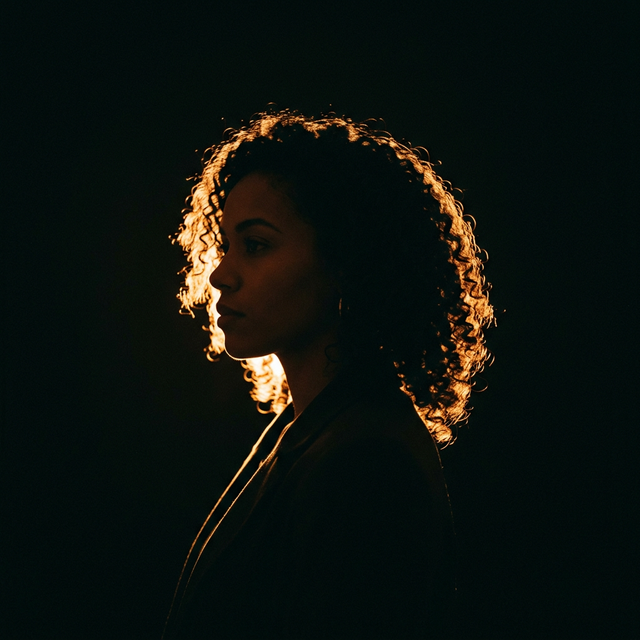
Strong rim light from behind,
halo edge separation, subject against dark background,
defined silhouette glow
Edge of light running along the subject's outline — cleanly separates subject from dark background.
Effect: "Halo separation" effect, depth even with simple composition.
Use for: Dark studio, portraits, action posters, subjects that need strong separation.
13) Book Light — The Softest Light Possible
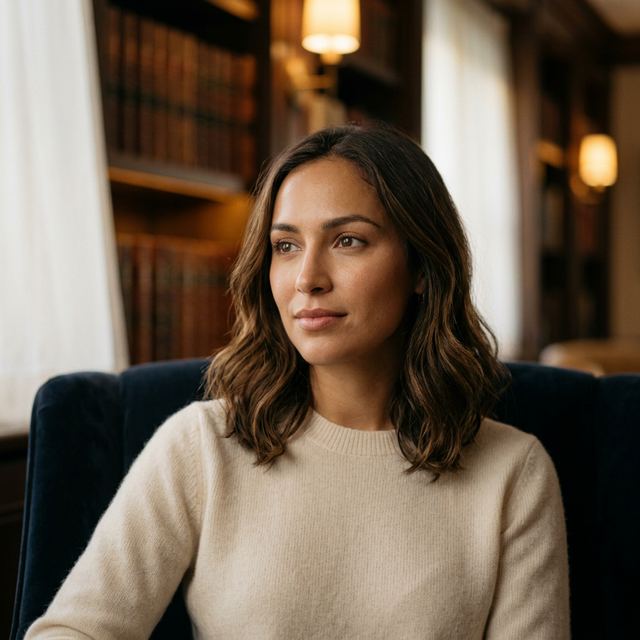
Book Light setup, creamiest soft light,
luxury key light, bounced through diffusion fabric,
ultra-smooth skin gradients
The "luxury version" of soft light: light bounces through board → diffusion fabric → incredibly smooth and gentle.
Use for: Cinematic interviews, beauty portraits, high-status characters.
Group 5: Storytelling & Advanced Separation Techniques
14) Gobo Projection — Patterned Shadow
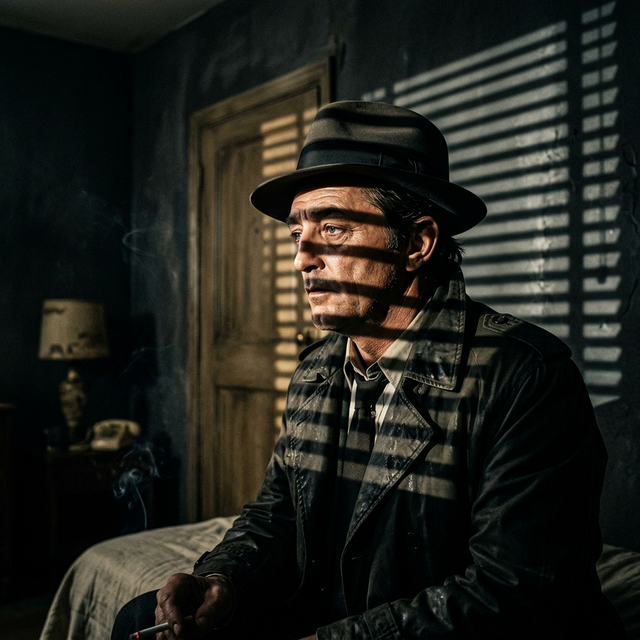
Gobo projection, light passing through Venetian blinds,
casting patterned shadows across the scene,
film noir aesthetic
Light passes through an obstruction (blinds, shutters, grilles…) → patterned shadows on the background.
This is the "DNA" of noir style: shadows that are simultaneously graphic and deeply emotional.
Use for: Crime noir, psychological thriller, mysterious/tense scenes.
15) Villain Glow — Underlighting
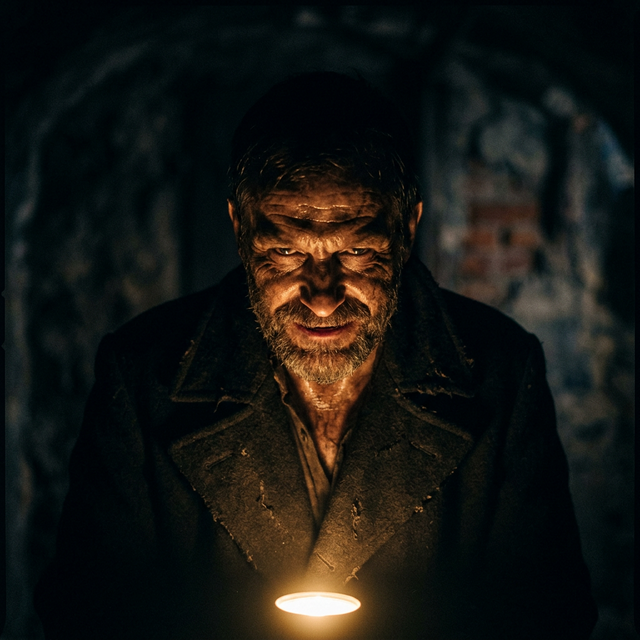
Underlighting from below,
unnatural shadow direction upward across face,
sinister low-angle illumination
Light source placed below the face, casting shadows upward — completely breaking natural light logic.
Effect: Face appears threatening, distorted, unsettling in a deeply instinctive way.
Use for: Villains, horror, dark monologues, threatening scenes.
16) Dynamic Firework Reflection
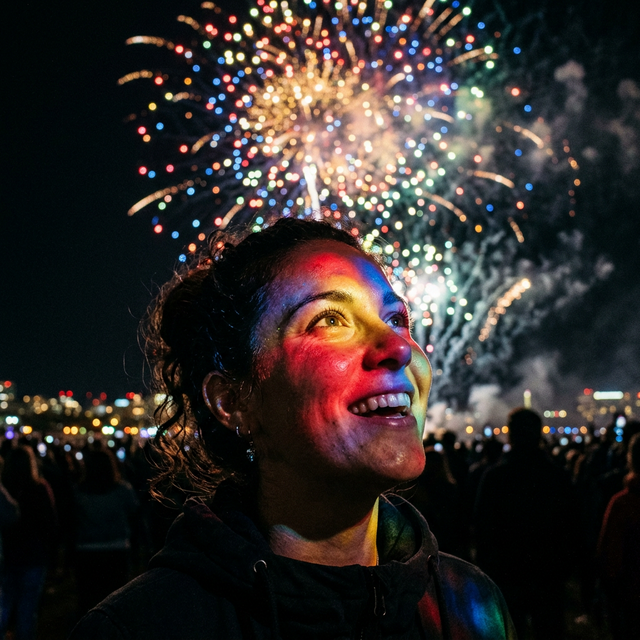
Dynamic firework reflection, multi-color light bursts reflecting on face,
reactive facial lighting, celebration atmosphere,
flickering multi-hued illumination
Multi-colored ever-changing light from fireworks hitting the character's face.
Key prompt elements: light flicker + multi-color reflection + reactive face lighting
Use for: Firework scenes, night festivals, explosive emotional moments.
17) Negative Fill — Taking Light Away
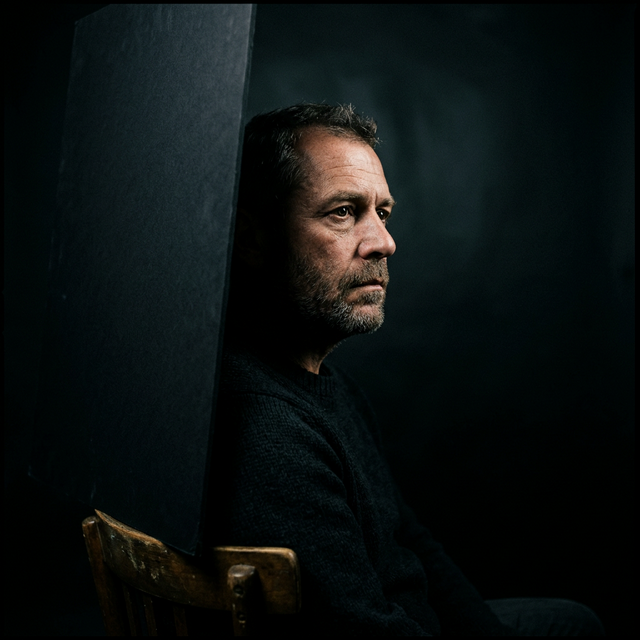
Negative fill, deep shadow on camera right side,
controlled light absorption,
dramatic contrast ratio
Not about adding light — it's about blocking reflected light on one side to deepen shadow.
Effect: Increases contrast, increases drama, gives the face stronger dimensionality.
💡 The master's secret: High-end cinema isn't powerful from more lights — it's powerful from knowing what to hide in darkness.
18) Cameo Lighting — Total Isolation
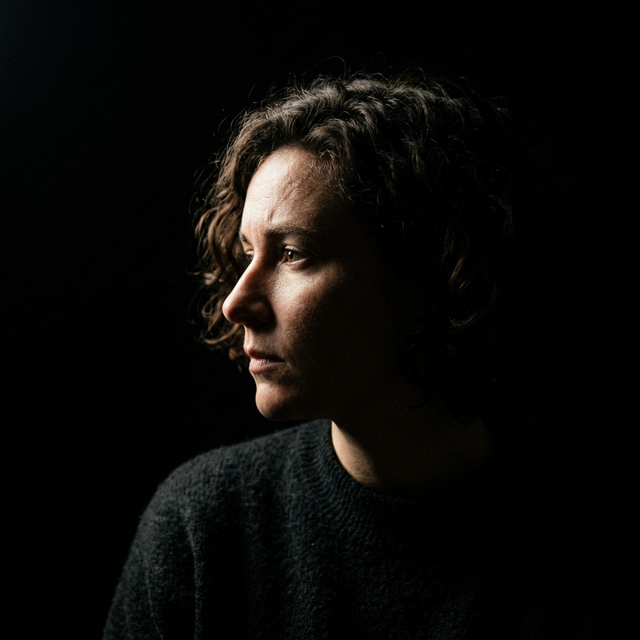
Cameo lighting, void isolation,
subject intensely lit with single focused light,
background in total crushed blackness
Subject lit intensely while the entire background stays in crushed blackness — pure black with no detail.
Effect: All attention concentrates on the face/expression; feeling of extreme isolation and focus.
Use for: Close-up internal moments, dark portraits, arthouse/psychological drama posters.
19) Silhouette Lighting — Geometric Form
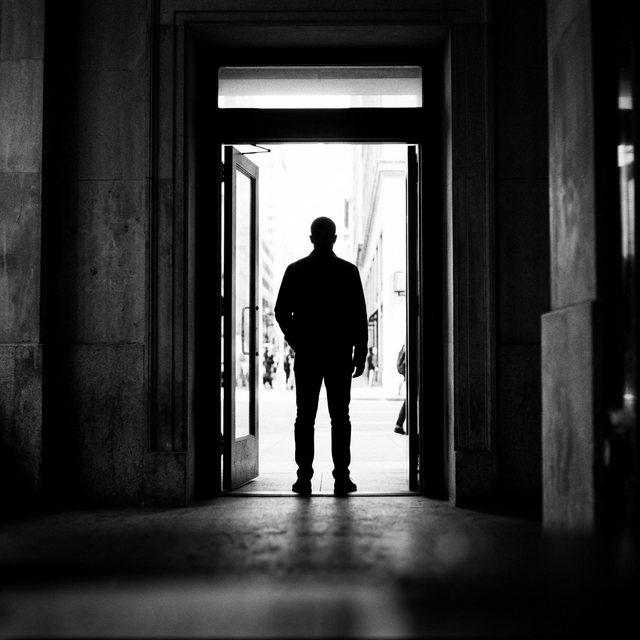
Silhouette lighting, geometric form,
background brightly lit,
subject as a pitch black shape with defined edges
Reverses the norm: Light the background, leave the subject as a pure black shape.
Effect: Turns the character into a visual symbol; emphasizes form, outline, posture.
The power of silhouette lies not in facial detail, but in shape.
20) Dual Subject Color Silhouette — Noir Standoff
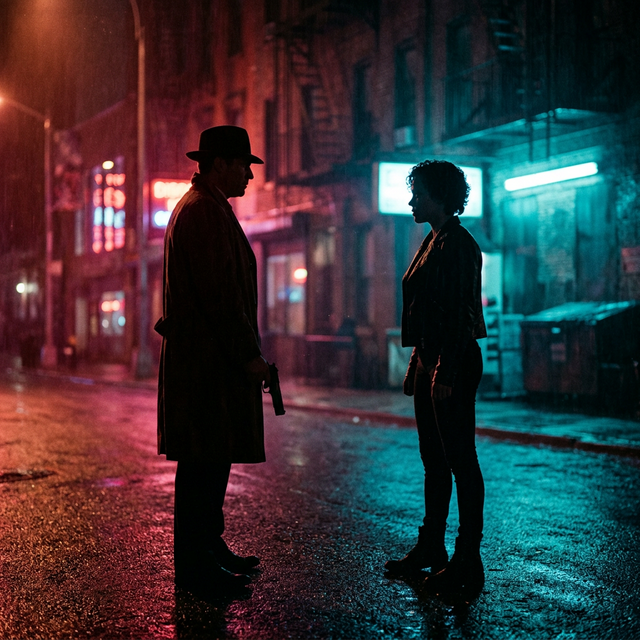
Dual subject color silhouette, noir standoff,
two subjects as opposing silhouettes with different colored background lighting,
magenta versus teal split
Two characters become two distinct silhouettes, separated by two different-colored background light sources.
Effect: Tells a tense story without showing faces; extremely powerful atmosphere.
Use for: Confrontation scenes, standoffs, trailer shots, noir/neo-noir climax shots.
20 Techniques — Quick Reference Table
| Group | Technique | Primary Mood |
|---|---|---|
| Foundational | Hero Glow, Dramatic Cold Night | Power, drama |
| Face Shaping | Butterfly, Rembrandt | Luxury, depth |
| Atmosphere | Golden Hour, Blue Hour, Volumetric, Lunar Glow | Emotion, environment |
| Studio | Cyberpunk, TV Glow, High Key, Rim Light, Book Light | Signature style |
| Storytelling | Gobo, Villain Glow, Firework, Negative Fill, Cameo, Silhouette, Dual Silhouette | Art, narrative |
The Biggest Secret of Cinematic Lighting
"If you want your AI video to look like a high-budget film, stop adding lights. Start taking them away."
Beginners typically want frames brighter, clearer, more complete. But real cinema is powerful in what it chooses:
- What is shown — emphasized with light
- What is hidden — mystery created through shadow
- What has only a rim of light — depth through edge lighting
- What sinks completely away — weight through crushed blacks
That selectivity creates depth, luxury, and visual storytelling language.
Apply This Now
Instead of vague prompts:
❌ "cinematic lighting, dramatic"
Be specific:
✅ "Key light at 3200K from 45° camera right,
    strong rim light at 5000K from behind,
    negative fill on left side creating deep shadow,
    specular reflection on skin,
    Rembrandt triangle on shadow side of face"
Further Reading
- Professional Midjourney prompting: Midjourney Bento Grid Guide
- Prompt-based UI with Claude: UI Design with Claude
- AI image generation tools: Leonardo AI Review
- Multimodal AI (image + video): Multimodal AI Guide
- Midjourney mastery: Midjourney v6 Guide
Source: AI Builder Hub Prompt Library.