Virtual Try-On: Prompt Đỉnh Cao Để Thay Trang Phục Cho Người Mẫu Ảo
Mặc thử quần áo cho bất kỳ người mẫu nào với độ chính xác và tính chân thực tuyệt đối. Phân tích chi tiết chiến lược viết prompt Virtual Try-On (thử đồ ảo).
Nếu ở bài trước, chúng ta học cách "bóc tách" quần áo từ người mẫu thành đồ nền trắng, thì hôm nay chúng ta làm một việc ngược lại và khó hơn rất nhiều: Mặc quần áo nền trắng (hoặc từ mẫu khác) lên một người mẫu hoàn toàn mới! Kỹ thuật này gọi là Virtual Try-On (Thử đồ ảo).
Bài toán hóc búa nhất của AI khi làm việc này là giữ nguyên được cái mặt, vóc dáng của cô mẫu, và không tự biến tấu bộ quần áo mới. Đoạn prompt dài dưới đây được thiết kế thành một bản yêu cầu cực kỳ khắt khe nhằm giải quyết toàn bộ các "tật xấu" thường dính của AI Generative.
Hãy cùng xem AI hoạt động mạnh mẽ thế nào!
Trải Nghiệm Thực Tế (Phép Màu Virtual Try-On)
Bên dưới là màn biến hóa nhờ sử dụng Prompt (đóng vai trò "đạo diễn") cùng AI model chuyên trị ControlNet thao tác:
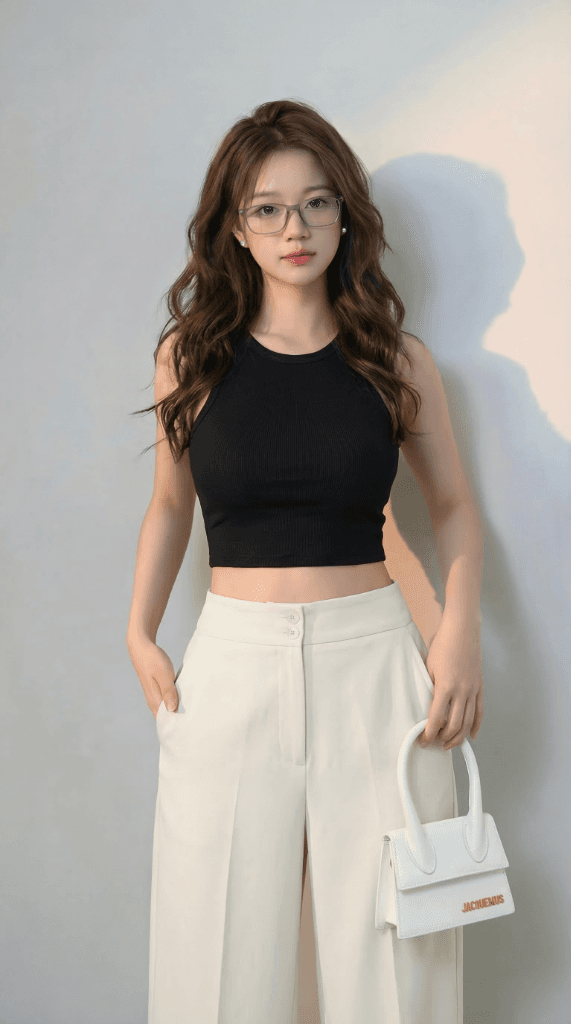
Reference #2 (Người Mẫu)
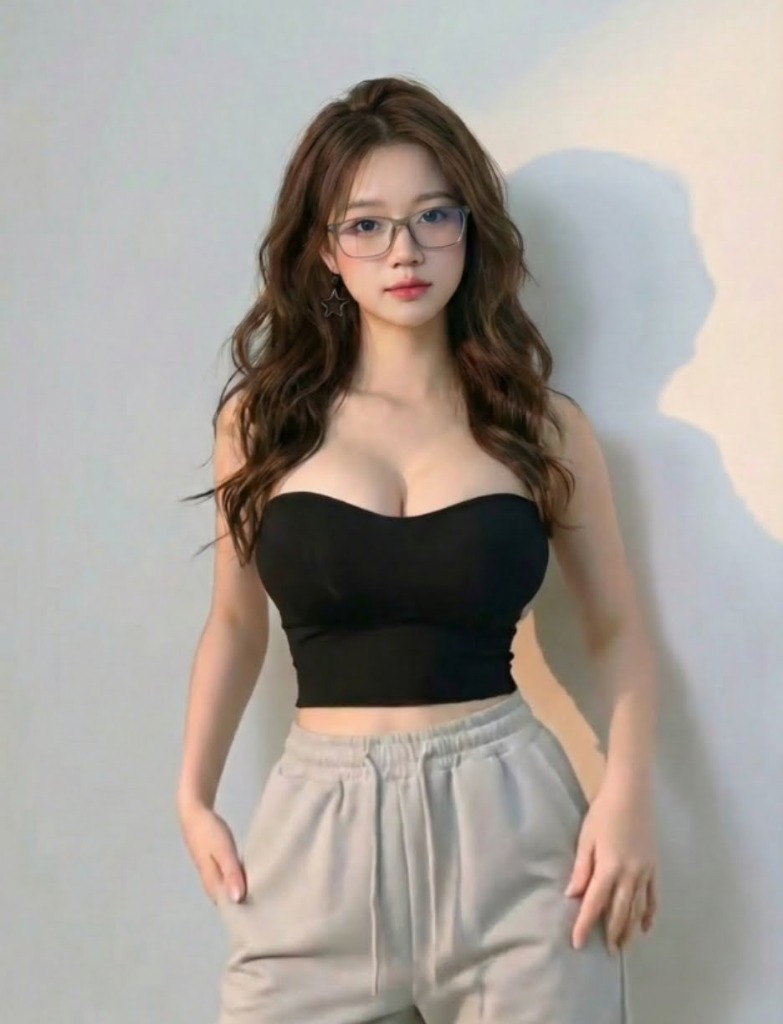
Reference #1 (Trang Phục Nguồn)
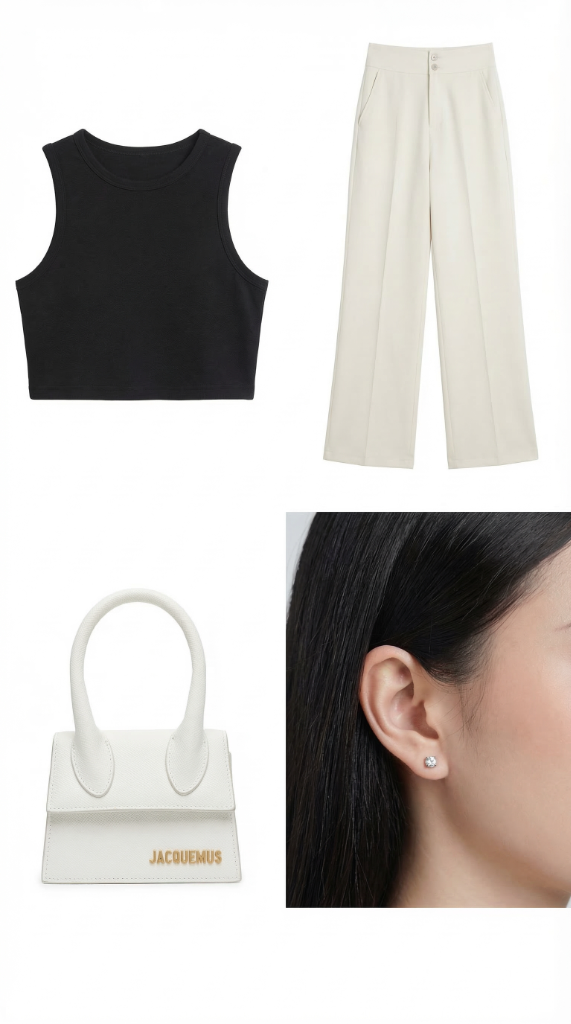
Kết Quả (Try-On Output)
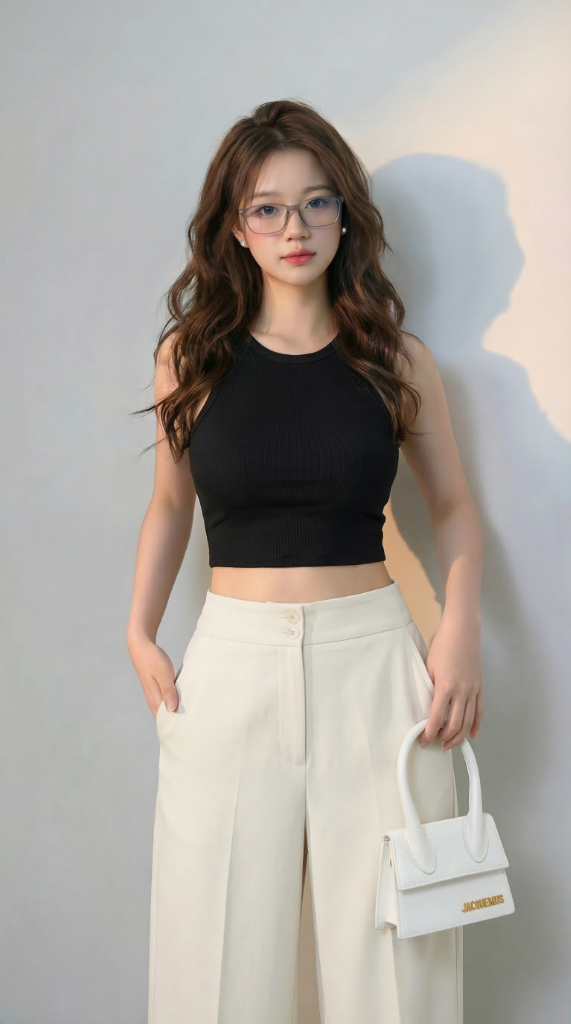
Khó có thể tin là chiếc túi xách Jacquemus, cái áo crop-top đen, quần ống suông và hoa tai... lại được ráp vừa vặn hoàn hảo lên form dáng sẵn có của người mẫu mà nét mặt, góc pose và kiểu ánh sáng của căn phòng vẫn nguyên vẹn.
Chi Tiết Câu Lệnh Prompt (Để Bạn Copy Dùng Ngay)
Use reference image #1 as the clothing and accessories source, and reference image #2 as the subject identity and body reference.

Goal:
Replace the outfit and accessories worn by the person in reference image #2 with the clothing and accessories visible in reference image #1, while preserving the identity, facial structure, body shape, proportions, pose, camera angle, framing, lighting direction, and overall photographic realism of reference image #2.

Subject preservation:
- Keep the face of the person from reference image #2.
- Preserve facial structure, eyes, nose, lips, jawline, skin tone, hairstyle (unless covered by clothing/accessories from image #1), body shape, posture, and natural proportions from reference image #2.
- Maintain the same person, not a redesigned or altered version.
- Do not beautify, stylize, or change age appearance.
- Do not modify body size, breast size, waist, hips, limb length, or overall physique.

Clothing transfer:
- Replace only the clothing and accessories on the person in reference image #2 with those from reference image #1.
- Accurately transfer every visible clothing item and accessory from reference image #1, including color, fabric, texture, stitching, seams, folds, logos, hardware, thickness, layering, fit, and garment construction.
- Preserve how the outfit naturally fits on the body of the subject in reference image #2.
- Do not redesign, reinterpret, simplify, or restyle the outfit.
- Do not invent extra fashion elements that are not visible in reference image #1.

Accessories:
- Transfer all visible accessories from reference image #1 exactly and individually.
- Preserve correct placement, scale, orientation, and material appearance.
- Do not merge separate accessories into one object.
- Do not omit small visible accessories.

Image composition:
- Keep the original composition of reference image #2.
- Preserve the pose, hand placement, body angle, head direction, facial expression, cropping, lens perspective, and framing from reference image #2.
- Keep the original background and environment of reference image #2 unchanged unless the clothing naturally occludes small areas.
- Do not alter the scene layout.

Realism and rendering:
- Photorealistic.
- Extremely realistic clothing transfer.
- True-to-life fabric behavior on the body.
- Accurate wrinkles, folds, tension, drape, and garment weight.
- Realistic material response such as cotton, denim, leather, silk, knit, metal, or plastic depending on the original item.
- Natural skin texture and realistic photographic detail.
- No CGI look.
- No illustration look.
- No artificial smoothing.
- No over-sharpened synthetic texture.

Occlusion rules:
- If part of the clothing in reference image #1 is hidden, infer only the minimum necessary construction required to complete the garment naturally on the subject in reference image #2.
- Any inferred parts must remain fully consistent with visible evidence from reference image #1.
- Do not hallucinate extra patterns, decorations, pockets, zippers, trims, or structural changes.

Strict rules:
- Keep the person from reference image #2.
- Use the clothing and accessories from reference image #1.
- Do not change the identity of the person.
- Do not change the body shape.
- Do not change the background.
- Do not add extra accessories.
- Do not remove existing transferred items from image #1.
- Do not stylize.
- Do not create a fashion illustration.
- Do not make it look like 3D render or CGI.

Negative prompt:
wrong outfit, wrong accessories, changed face, altered body shape, different person, distorted hands, warped fabric, incorrect clothing fit, wrong color, missing accessories, merged accessories, fake folds, plastic skin, over-smoothing, CGI, illustration, cartoon, rendering artifacts, inconsistent lighting, incorrect proportions, background changes, stylized fashion edit
Phân Tích "Cấu Trúc Giải Phẫu" Của Prompt Try-On Cực Phẩm
Việc AI tự động mix & match trang phục lên mẫu không khó, cái khó là làm sao để giữ trọn vẹn bản sắc người mặc và trang phục ban đầu. Prompt này giải quyết được thông qua cấu trúc đa lớp.
1. Phân Rõ Mục Tiêu Nguồn Khách Hàng (Goal Statement)
Xác định ngay dòng đầu tiên: Ai là "manơcanh" (Reference #2), cái gì là "đồ họa" trang phục (Reference #1). Không nhầm lẫn.
- "Replace the outfit and accessories... while preserving the identity... proportion, pose, camera angle..."
2. Khóa Cứng ADN Người Mẫu (Subject Preservation)
Nguyên tắc bất di bất dịch của việc chụp đồ thời trang là dáng người mẫu và mặt mũi mẫu phải được giữ nguyên.
- "Do not modify body size, breast size, waist, hips, limb length, or overall physique." (Cấm sửa vòng ngực, vòng eo, độ dài tay chân). Đây là chỉ định vô cùng mạnh, nó chặn đứng "thói quen" AI hay tự động "bóp eo", "gọt cằm" để đẹp hóa người mẫu mỗi khi nó generate hình mới. Nhờ lệnh này, tính Originality của ảnh mẫu mới được bảo toàn tuyệt đối.
3. Quy Luật Che Khuất & Xây Đựng Quần Áo (Occlusion & Clothing transfer)
Trang phục lúc chụp trải thảm (flatlay) sẽ khác hẳn khi khoác lên đường cong người thật.
- "Preserve how the outfit naturally fits on the body of the subject" - May đo theo đúng form cơ thể người mẫu.
- "Infer only the minimum necessary construction required..." - Nếu đồ bị che lấp, chỉ bù đắp vào phần thiết yếu, KHÔNG TỰ CHẾ thêm họa tiết kỳ lạ.
- "Accurate wrinkles, folds, tension, drape, and garment weight." - Bắt buộc hiểu được độ rủ của vải, trọng lực tác động lên nếp gấp. Đây là yếu tố làm cho tấm ảnh Try-On trông chân thật như "đồ có thật" chứ không phải cắt ghép Photoshop rẻ tiền.
4. Bóc Tách Phụ Kiện Không Sáp Nhập (Accessories Integration)
Một "vết xe đổ" kinh điển của AI là biến đai lưng thành một phần dính cứng vào đỉa quần ngớ ngẩn nào đó, hoặc ráp bông tai thành kẹp tóc thù lù trên đầu. Lệnh "Transfer all visible accessories... exactly and individually. Do not merge separate accessories" giải mã sự phức tạp này, yêu cầu chia để trị từng Object riêng biệt. Túi phải xách trên tay, và khuyên rọi trên tai chính xác.
5. Giam Lòng Môi Trường & Ánh Sáng (Image Composition & Rendering)
- "Keep the original background and environment of reference image #2 unchanged"
- Cấm tuyệt đối những yếu tố mang hơi hướng 3D, CGI dẻo hay da nhựa (Plastic skin). Yêu cầu Texture da người tự nhiên và ánh sáng phòng studio theo đúng nguyên dạng ban đầu.
Có thể nói, đây là bản "Luật pháp" bằng chữ dành cho Model đồ họa, được rào kín tất cả ngã đường tự biên tự diễn. Người viết am hiểu sâu sắc bản chất "ưa lấp liếm" của AI để tạo ra chiếc lồng ràng buộc nó tạo ra được tấm hình thực tế giá cao, điều vốn khó khăn nhất khi ứng dụng AI vào ngành bán lẻ Thời Trang 4.0!