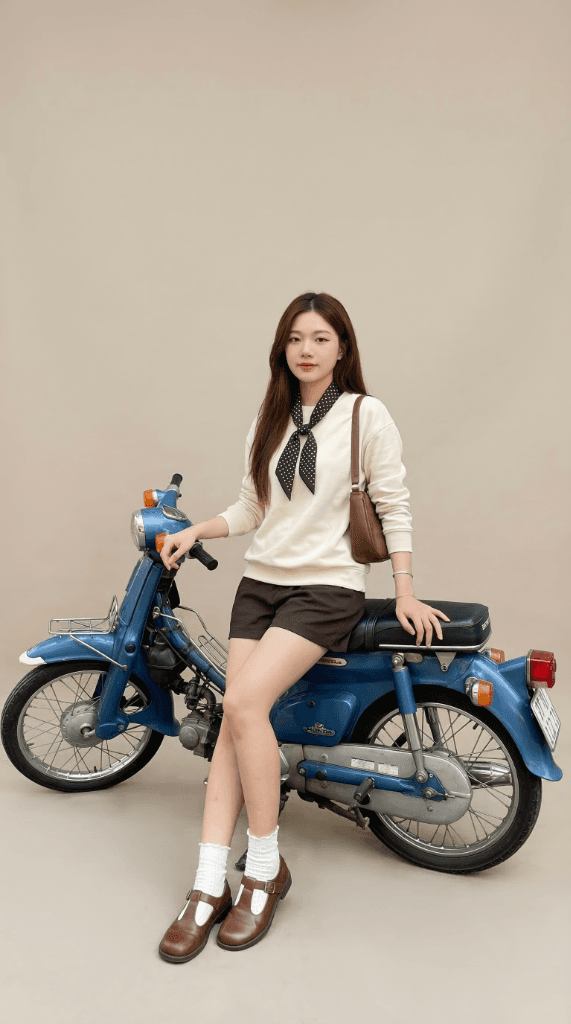
Prompt 3 Ảnh Tham Chiếu: Giữ Nhân Vật, Thay Trang Phục, Sao Chép Pose
Kỹ thuật tiên tiến nhất trong fashion AI photography: dùng 3 ảnh tham chiếu độc lập cho 3 vai trò hoàn toàn tách biệt — nhân vật, trang phục, và tư thế. Mỗi ảnh chỉ làm đúng một việc duy nhất.
Nếu bạn đã thành thạo Virtual Try-On (mặc đồ từ một ảnh mẫu sang ảnh khác) thì đây là cấp độ tiếp theo: Prompt 3 Ảnh Tham Chiếu.
Thay vì chỉ hoán đổi trang phục giữa 2 ảnh người thật, kỹ thuật này cho phép bạn:
- Ảnh 1 → Chỉ lấy nhân dạng (mặt, vóc dáng, tông da, tóc)
- Ảnh 2 → Chỉ lấy trang phục & phụ kiện (từ flatlay hoặc ảnh sản phẩm)
- Ảnh 3 → Chỉ lấy tư thế, cách đứng/ngồi, và vật thể hỗ trợ
Ba vai trò. Ba ảnh. Không chồng chéo. Đây là thách thức khó nhất mà AI phải giải quyết vì nó phải hiểu bối cảnh từng ảnh và không "lẫn lộn" thông tin.
Trực Quan Hóa Quy Trình 3-Reference
Hãy xem bộ 4 ảnh: 3 nguồn + 1 kết quả:
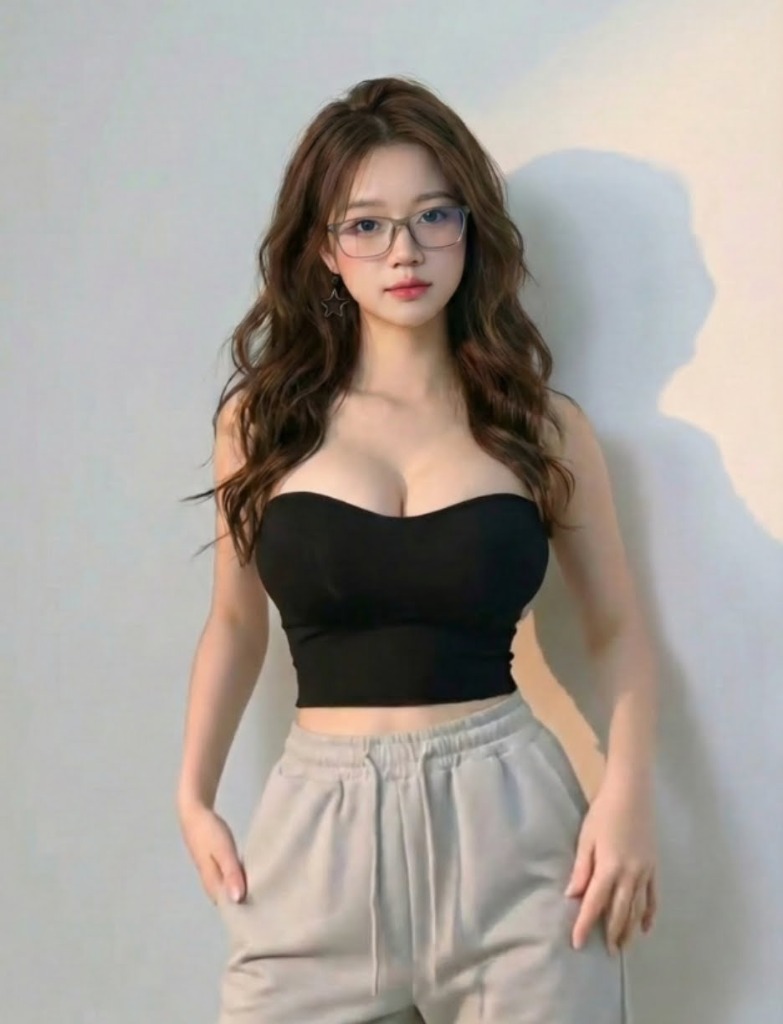
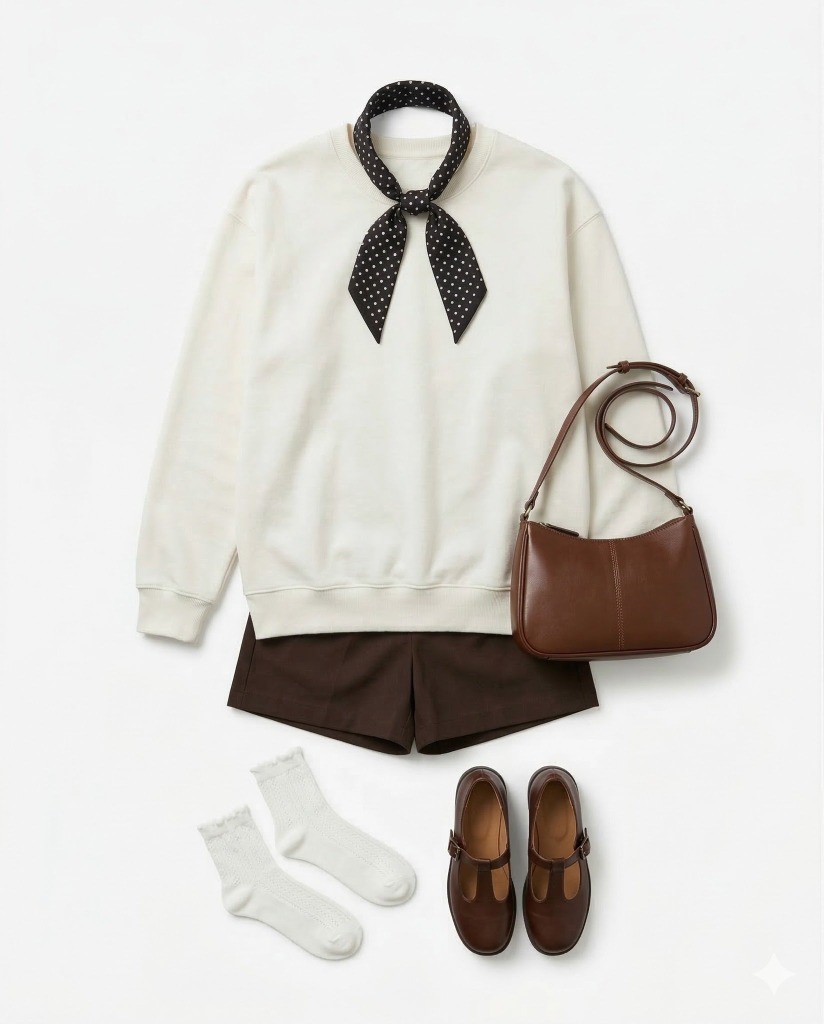
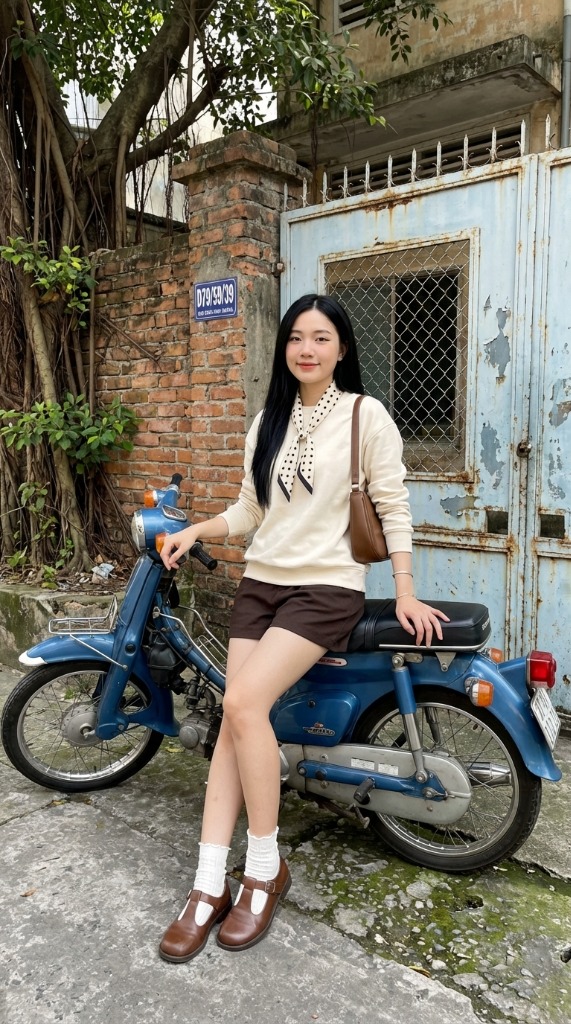
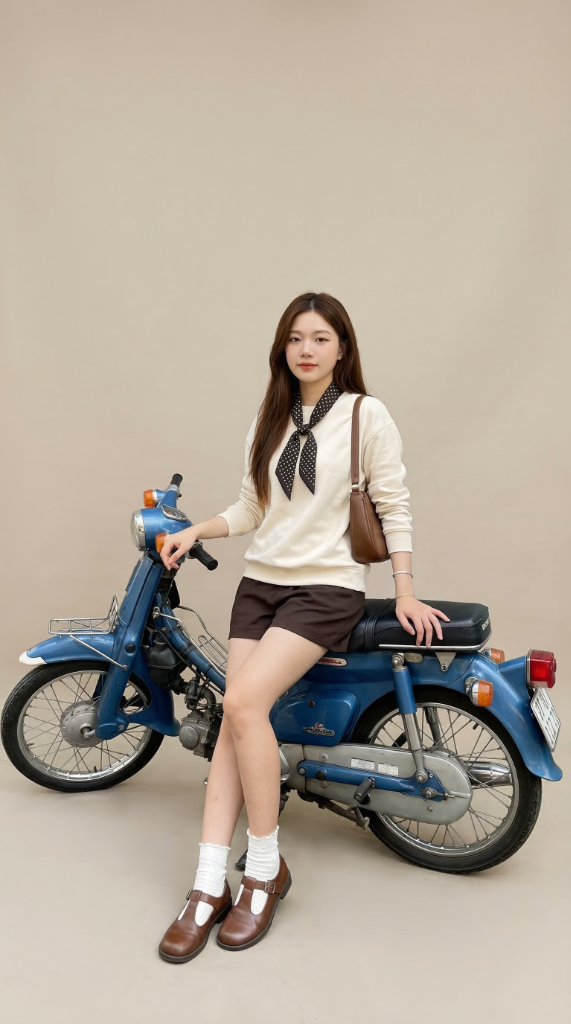
Hãy để ý kỹ kết quả: khuôn mặt giống hệt Ảnh 1, bộ trang phục (áo sweater trắng, quần short nâu, khăn polka-dot, túi da nâu, tất trắng, giày Mary Jane nâu) được chuyển từ flatlay sang đúng vóc dáng người thật, và tư thế ngồi trên xe máy cổ điển được sao chép từ Ảnh 3. Studio background trung tính thay thế background street gốc.
Câu Prompt Đầy Đủ (Copy Và Dùng Ngay)
Reference mapping:
- Image 1: identity reference
- Image 2: outfit and accessories reference
- Image 3: pose reference

Strict reference usage:
- Use Image 1 only for the subject's identity, face, body shape, proportions, skin tone, hair color, hairstyle, and overall likeness.
- Use Image 2 only for the outfit and accessories.
- Use Image 3 only for the body pose, posture, limb placement, balance, weight distribution, and any required physical support objects that are necessary for the pose to make sense realistically.
- Do not mix these roles between references.

Priority order:
1. Identity fidelity from Image 1
2. Outfit and accessory accuracy from Image 2
3. Pose accuracy from Image 3
4. Physical support consistency required by the pose from Image 3

Create a hyper-realistic full-body studio fashion photograph of the woman from Image 1, preserving her identity with maximum fidelity. Maintain the same facial structure, bone structure, apparent age, ethnicity, skin tone, hair color, hairstyle, body shape, natural proportions, and overall likeness from Image 1. Do not alter the subject's identity or physique.

Match the pose from Image 3 as precisely as possible, including posture, limb placement, balance, weight distribution, and body mechanics, with no unnecessary interpretation or stylistic modification.

If the pose in Image 3 physically depends on a support object such as a chair, stool, bench, step, wall, railing, or other prop, include the minimum necessary support object required to preserve the realism and physical logic of the pose. The support object must match the functional placement implied by Image 3 and should only serve to support the pose naturally. Do not omit required support objects when doing so would make the pose physically implausible.

Support object rules:
- Include only the support object(s) strictly necessary for the pose to work realistically.
- Keep the support object visually simple, neutral, and studio-appropriate unless a specific support object is clearly required by Image 3.
- Do not let the support object become the main subject of the image.
- Do not add decorative props or unrelated furniture.
- Do not replace a necessary support object with a different object that changes the pose logic.
- The support object should remain secondary to the model and outfit.

She must wear the exact same outfit and accessories from Image 2. Preserve the original design, colors, materials, texture, construction, stitching, fit, layering, and realistic fabric drape. Do not redesign, restyle, simplify, or reinterpret the clothing or accessories.

Expression should be calm and confident, with a subtle natural smile, eyes open and looking forward. Preserve natural skin texture, pores, and realistic facial detail. No beauty retouching and no skin smoothing.

Background:
A clean professional studio with a soft neutral beige backdrop, evenly lit, with a minimal natural gradient and no distractions.

Style:
High-end editorial fashion photography, ultra-realistic, true-to-life color, fully photographic, no CGI, no stylization, no artificial plastic skin.

Lighting:
Soft diffused studio lighting, frontal key light slightly above eye level, gentle fill, natural contrast, and subtle shadow definition.

Camera and framing:
Full-body, straight-on composition, 85mm portrait lens feel, medium aperture look similar to f/5.6 to f/8, sharp detail across the entire body, with the face as the primary visual focus, ultra-high resolution.

Strict rules:
- Keep the person from Image 1.
- Use the outfit and accessories only from Image 2.
- Use the pose only from Image 3.
- Include any support object only if it is physically required by the pose in Image 3.
- Do not use Image 2 or Image 3 to change the subject's identity.
- Do not use Image 1 to override the outfit from Image 2.
- Do not use Image 2 to influence pose.
- Do not use Image 3 to influence clothing design.
- Do not alter the background specification except for the minimum necessary pose support object.

Negative prompt:
identity drift, face alteration, changed person, beautification, skin smoothing, CGI, plastic skin, anatomy distortion, incorrect proportions, extra or missing fingers, deformed hands, closed eyes, exaggerated smile, artificial posing, clothing redesign, missing accessories, unrealistic fabric behavior, unnecessary props, decorative furniture, physically impossible pose, harsh lighting, dramatic color grading, blur, low resolution, noise, artifacts, text, watermark, logo
Giải Phẫu Cấu Trúc Prompt 3-Reference
Prompt này được xây dựng theo 5 tầng rõ ràng, mỗi tầng giải quyết một bài toán kỹ thuật riêng. Đây là output phức tạp nhất mà AI phải xử lý — vì nó cần hiểu ngữ cảnh của từng ảnh mà KHÔNG được để thông tin "rò rỉ" sang vai trò khác.
Tầng 1 — Reference Mapping (Khai Báo Vai Trò)
- Image 1: identity reference
- Image 2: outfit and accessories reference
- Image 3: pose reference
Đây là bước đầu tiên và quan trọng nhất — đặt tên và vai trò cho từng ảnh trước khi yêu cầu bất kỳ điều gì. AI không tự hiểu ảnh nào dùng để làm gì nếu bạn chỉ upload 3 ảnh mà không giải thích.
Tiếp theo, lệnh Strict reference usage lặp lại vai trò nhưng thêm ràng buộc âm (negative constraint): "Do not mix these roles between references." Đây là lệnh khóa chéo — ngăn AI tự ý dùng thông tin tư thế từ Ảnh 1 hay lấy mặt người từ Ảnh 3.
Tầng 2 — Priority Order (Thứ Tự Ưu Tiên Khi Xung Đột)
1. Identity fidelity from Image 1
2. Outfit and accessory accuracy from Image 2
3. Pose accuracy from Image 3
4. Physical support consistency required by the pose from Image 3
Khi AI phải "hy sinh" thứ gì đó (ví dụ: tư thế ảnh 3 che khuất một phần trang phục ảnh 2), nó cần biết cái gì được phép nhường. Danh sách này là "luật ưu tiên" — nhân dạng không bao giờ được đánh đổi, kể cả vì pose hay vì trang phục.
Tầng 3 — Support Object Logic (Luật Vật Thể Hỗ Trợ)
Đây là phần độc nhất vô nhị và thông minh nhất của prompt:
If the pose in Image 3 physically depends on a support object...
include the minimum necessary support object required to preserve
the realism and physical logic of the pose.
Trong trường hợp này, Ảnh 3 là người ngồi trên xe máy. Nếu không có xe máy, pose ngồi trở nên vật lý không khả thi — không ai ngồi lơ lửng trên không. Vì vậy, xe máy phải xuất hiện trong kết quả như một "prop hỗ trợ tối thiểu cần thiết".
Nhưng prompt cũng đặt 5 ràng buộc kèm để tránh xa đà:
- Chỉ dùng vật thể tối thiểu cần thiết
- Nó phải đứng sau người mẫu, không được là nhân vật chính
- Không thêm nội thất trang trí
- Không thay thế bằng vật thể khác làm thay đổi logic tư thế
Kết quả: xe máy có mặt trong ảnh nhưng nhường ánh nhìn hoàn toàn cho người mẫu và trang phục.
Tầng 4 — Photography Specification (Đặc Tả Nhiếp Ảnh)
Prompt dùng ngôn ngữ chuyên môn nhiếp ảnh để ép AI render đúng style:
85mm portrait lens feel→ độ nén phối cảnh đặc trưng của ảnh thời trangf/5.6 to f/8→ khẩu độ vừa để toàn thân sắc nét, không chỉ xóa phông mặtFrontal key light slightly above eye level→ vị trí đèn chính cụ thểFull-body, straight-on composition→ toàn thân, chụp thẳng mặt
Mỗi thông số này đều ảnh hưởng trực tiếp đến chất lượng render — từ cách ánh sáng đổ lên trang phục đến cách hình nền được xử lý.
Tầng 5 — Strict Rules + Negative Prompt (Hàng Rào Kép)
Cuối prompt là hai lớp bảo vệ liên tiếp:
Strict rules — Lặp lại các ràng buộc chính dưới dạng bullet ngắn để AI "nhớ lại" lần cuối trước khi generate:
- "Do not use Image 2 to influence pose" → trang phục không được ảnh hưởng tư thế
- "Do not use Image 3 to influence clothing design" → tư thế không được thay đổi thiết kế đồ
Negative prompt — Danh sách những thứ tuyệt đối không được xuất hiện. Phần này quan trọng vì AI có xu hướng "làm đẹp" mặt người mẫu, làm mịn da, hay thêm đạo cụ không cần thiết. Mỗi từ trong negative prompt là một "bẫy sai" đã từng xảy ra trong thực tế.
Tại Sao Kỹ Thuật 3-Reference Vượt Trội
| Kỹ thuật | Số ref | Khả năng |
|---|---|---|
| Single prompt | 0 | Tạo từ mô tả văn bản, không kiểm soát được nhân dạng |
| Virtual Try-On | 2 | Giữ người thật + thay đồ từ ảnh khác |
| 3-Reference | 3 | Giữ người thật + đồ từ flatlay + pose tùy chỉnh |
Sự khác biệt cốt lõi: kỹ thuật này cho phép sử dụng ảnh flatlay sản phẩm (không có người mặc) làm nguồn trang phục, thay vì cần ảnh người mặc thật. Đây là ứng dụng thực tiễn cực kỳ có giá trị cho thương mại điện tử — bạn chỉ cần ảnh sản phẩm nền trắng và ảnh người mẫu để tạo catalog hoàn chỉnh.
Template Cốt Lõi Để Tùy Biến
Muốn thay đổi bối cảnh? Chỉ cần điều chỉnh phần Background và Camera:
Studio in-door:
A clean professional studio with a soft neutral beige backdrop, evenly lit.
Outdoor editorial:
An urban street setting with natural daylight, shallow depth of field, editorial photography feel.
Lookbook minimal:
Pure white seamless backdrop, high-key lighting, minimalist fashion lookbook style.
Phần còn lại của prompt (Reference mapping, Priority order, Strict rules) giữ nguyên — đó là "xương sống" không cần thay đổi dù bối cảnh nào.