Google Opal Agent Step — Từ Workflow Cứng Nhắc Đến AI Agent Thực Sự Linh Hoạt
Google Labs ra mắt agent step trong Opal vào tháng 2/2026, biến các workflow AI từ chuỗi bước cố định thành các trải nghiệm tương tác và linh hoạt. Bài phân tích 3 khả năng mới (Memory, Dynamic Routing, Interactive Chat) và cách builders tận dụng chúng.
Google Opal Vừa Làm Cho AI Workflows Ít Cứng Nhắc Hơn
Ngày 24/2/2026, Google Labs ra mắt agent step trong Opal — một thay đổi khiến workflow AI chuyển từ chuỗi bước cố định sang trải nghiệm tương tác thực sự.
Trước đây, tạo một Opal có nghĩa là bạn phải xác định trước mọi thứ: bao nhiêu bước, câu hỏi nào sẽ hỏi user, model nào sẽ dùng cho từng bước. Đây là cách tiếp cận static — hiệu quả với quy trình có thể dự đoán, nhưng sẽ vỡ ngay khi tình huống thực tế phức tạp hơn kịch bản đã cài đặt.
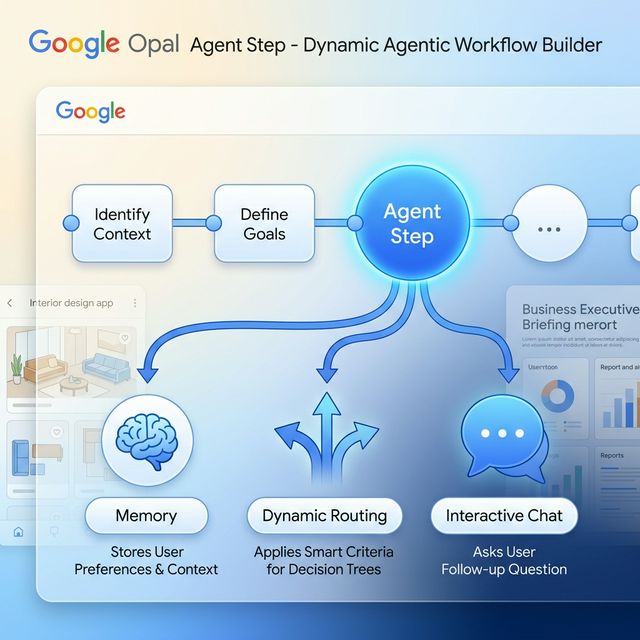
Với agent step, bạn không xác định mọi bước nữa. Thay vào đó, bạn xác định mục tiêu — agent tự phán đoán cách tốt nhất để đạt mục tiêu đó, gọi đúng tools/models cần thiết, và có thể hỏi lại user khi cần thêm thông tin.
Đây là một phần của làn sóng lớn hơn: từ fixed automations sang agentic workflow systems — và Opal là ví dụ rõ ràng nhất từ Google về hướng đó.
Trước và Sau Agent Step
Trước: Interior Design Opal hoạt động như một pipeline thẳng: upload ảnh → chọn style → nhận ảnh redesign. Có một luồng, không có nhánh, không có tương tác.
Sau: Room Styler Opal trở thành "design partner": agent hiểu mục tiêu bạn muốn, hỏi thêm khi cần, research niche sub-styles nếu bạn muốn điều gì đó không phổ biến, generate ảnh, nhận feedback và tinh chỉnh.
Khác biệt cốt lõi: từ "bạn làm theo workflow" sang "workflow làm việc cùng bạn".
3 Khả Năng Mới Của Agent Step
1. Memory — Nhớ Qua Các Session
Agent step có thể lưu trữ thông tin giữa các lần sử dụng: tên user, style preferences, running lists, brand identity.
Tại sao điều này quan trọng với builders:
Không còn cần phải nhập lại context mỗi lần. Video Hooks Brainstormer Opal (ví dụ của Google) lưu brand identity và content preferences — lần sau bạn mở Opal, nó đã biết bạn là ai và cần gì.
Với nhà sáng tạo nội dung: thay vì "nhắc AI về brand voice mỗi buổi sáng", agent nhớ luôn.
Use cases thực tế:
- Research assistant nhớ topic preferences → không phải re-brief mỗi session
- Content ideation tool nhớ brand guidelines → output nhất quán hơn
- Internal team tool nhớ project context → giảm prompt dài
2. Dynamic Routing — Chọn Đường Tự Động
Bạn định nghĩa nhiều đường và tiêu chí chuyển hướng bằng ngôn ngữ tự nhiên. Agent sẽ tự chọn đường phù hợp khi điều kiện được đáp ứng.
Ví dụ từ Google: Executive Briefing Opal xử lý khác nhau tùy loại meeting:
- Client hiện có: agent review internal meeting notes, tóm tắt context lịch sử
- Client mới: agent search web để tìm background thông tin
Đây là logic điều kiện — nhưng thay vì bạn phải code "if new client else existing client", bạn mô tả bằng tiếng Anh và agent tự xử lý.
Khi nào nên dùng dynamic routing:
- Workflows có nhiều user personas khác nhau
- Tasks phụ thuộc vào data chưa biết trước khi workflow bắt đầu
- Quy trình có nhánh tự nhiên dựa trên context
Khi nào KHÔNG nên dùng:
- Compliance-sensitive flows cần audit trail rõ ràng
- Operations đòi hỏi deterministic hoàn toàn
- Volume cao với logic lặp lại chính xác
3. Interactive Chat — Hỏi Trước Khi Làm
Agent có thể chủ động hỏi user để thu thập thông tin thiếu, hoặc đưa ra lựa chọn trước khi tiếp tục.
Ví dụ: Nếu user mô tả không đủ chi tiết, Room Styler Opal sẽ hỏi: "Bạn muốn tone warm hay cool?" hoặc hiển thị ví dụ để user chọn — thay vì guess và tạo ra output sai.
Tại sao điều này quan trọng hơn nó nghe có vẻ:
Phần lớn vấn đề với AI workflows không phải là model kém — mà là input thiếu thông tin. Interactive chat giải quyết vấn đề "garbage in, garbage out" ngay tại gốc rễ.
Practical Use Cases Cho AIBUILDERHUB Readers
| Use case | Tính năng quan trọng |
|---|---|
| AI content briefing workflow | Interactive chat thu thập brief + Memory nhớ brand voice |
| Lead qualification agent | Dynamic routing dựa theo lead type |
| Internal research assistant | Memory + Web Search |
| Product marketing brainstorm | Memory nhớ product context |
| Client onboarding helper | Interactive chat + Dynamic routing (new vs returning) |
| Image/video ideation | Interactive chat + model selection |
Nơi Opal Vừa Khung Vừa Không Khung
Google's agent step là tín hiệu rõ về hướng AI workflow tools đang đi. Nhưng điều đó không có nghĩa là mọi workflow đều nên dùng agent step.
Fixed steps vẫn tốt hơn khi:
- Quy trình hoàn toàn xác định trước (ví dụ: auto-format file, extract data)
- Compliance yêu cầu every decision phải traceable
- Volume cao, repeat automation không cần variation
Agent steps tốt hơn khi:
- Discovery phase — bạn chưa biết user muốn gì chính xác
- Personalization — output phụ thuộc vào context user cụ thể
- Multi-turn interactions — cần hỏi thêm trước khi làm
- Ambiguous requests — nhiều cách diễn giải đều valid
Evaluation Checklist: Workflow Tool Nào Phù Hợp?
Khi chọn agentic workflow tool năm 2026, hỏi:
- Có support memory không?
- Có expose tool use (web search, external APIs) không?
- Agent có thể hỏi clarifying questions không?
- Bạn có thể inspect routing decisions không?
- Có thể blend fixed steps với dynamic steps không?
- Handoff sang human review dễ không?
Opal hiện tại tick phần lớn các ô này — và với agent step, nó bắt đầu tick cả ô observability và routing inspection.
Takeaway
Opal's agent step quan trọng không phải vì Google ra feature mới. Nó quan trọng vì nó reflect cách AI workflow tools đang buộc phải thay đổi.
Hybrid systems sẽ thắng: Không phải "agent thay thế automation" mà là "agent + structured steps kết hợp linh hoạt". Builders học cách design hybrid workflows — biết khi nào cần constraintchặt, khi nào cần agent flexibility — sẽ có lợi thế rõ ràng so với những người chỉ biết dùng một mô hình.
Nguồn: Build dynamic agentic workflows in Opal — Google Labs Blog, 24/2/2026